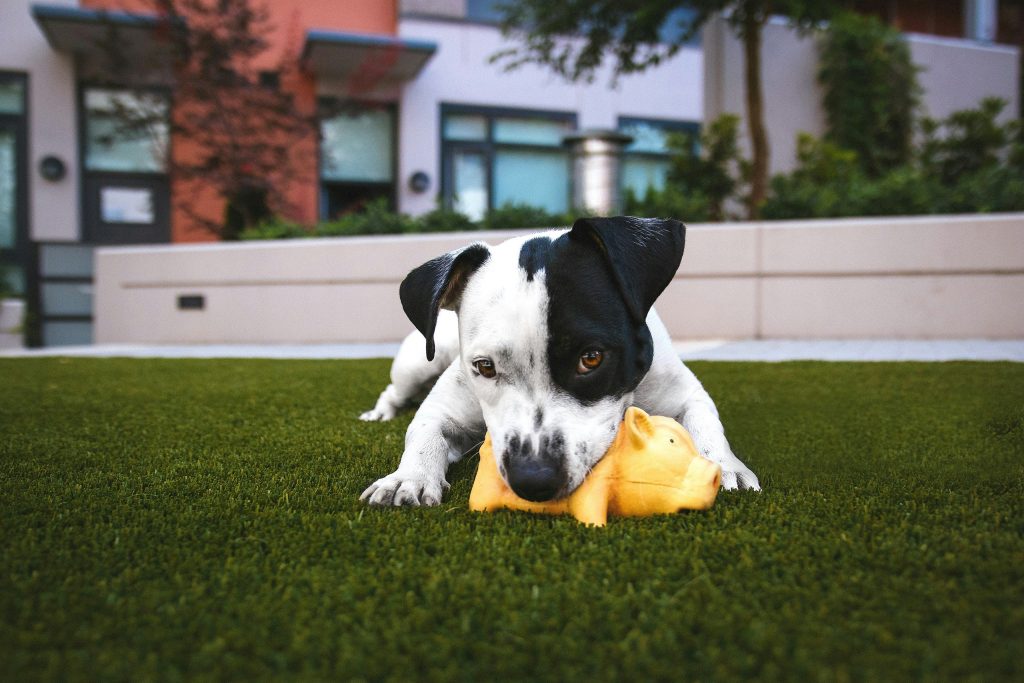
Whether it’s landscaping your backyard, equipping a sports field, or setting up a playground for children, artificial grass is an excellent choice. However, depending on what you plan to use it for, it’s necessary to explore different types and properties. Will pets be spending time on it? How much exposure will it have to direct sunlight or moisture? Will it bear heavy loads? Many factors need to be considered, but with Lumeg-in design and consulting services, you don’t need to worry!
Below, we present just some of the types of artificial grass we use. For all other details, please contact us via the contact form.
Sports Artificial Grass: This type of artificial grass is specially designed for sports fields such as football stadiums, tennis courts, or golf courses. It is characterized by high wear resistance, good shock absorption, and stability. It often consists of high-density fibers and a rubber base to ensure optimal performance and athlete safety. For example, FIFA recommends artificial turf that meets certain standards for football fields.
Decorative Artificial Grass: This type of artificial grass is used in landscaping and environmental design to create a green and attractive appearance without the need for regular watering and mowing. This grass often has a more natural look with various shades of green and soft textures. Specifications include UV stability to prevent color fading from exposure to sunlight and good drainage to prevent water accumulation.
Playground Artificial Grass: This type of artificial grass is often used in children’s playgrounds and recreational areas. It combines safety and durability, usually having a soft surface that absorbs impacts to protect children from injuries during falls. Additionally, it is often weather-resistant and easy to maintain.
Artificial Grass for Home Gardens: This type of artificial grass is intended for private gardens and yards. It is typically soft, pleasant to the touch, and resistant to wear. Specifications may vary depending on the owner’s preferences, but they often include UV stability for color preservation and good drainage.
Photo: Unsplash