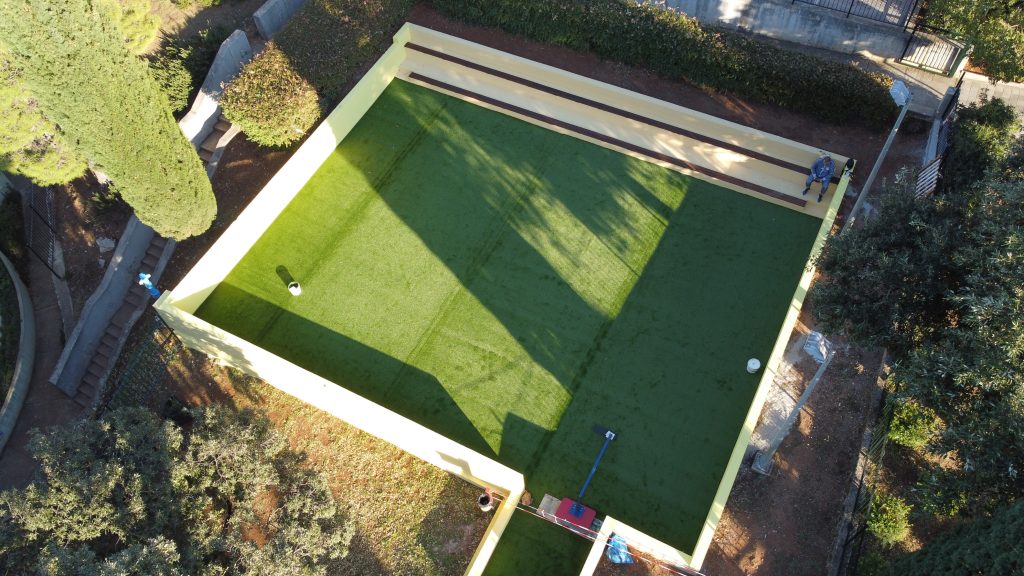
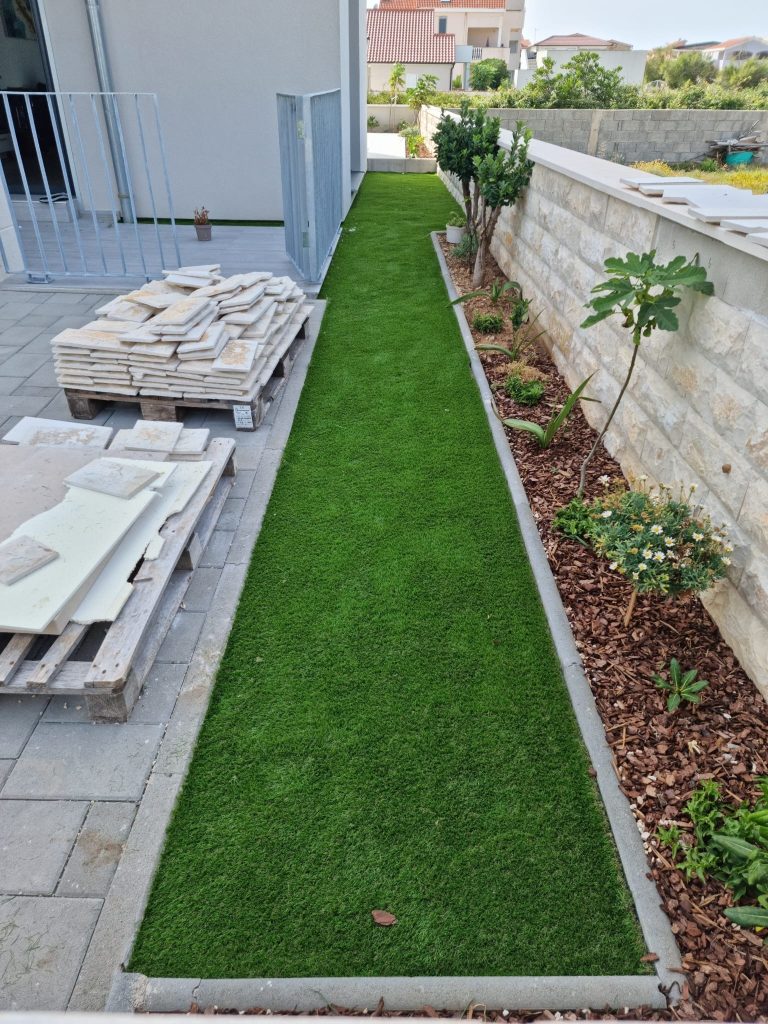
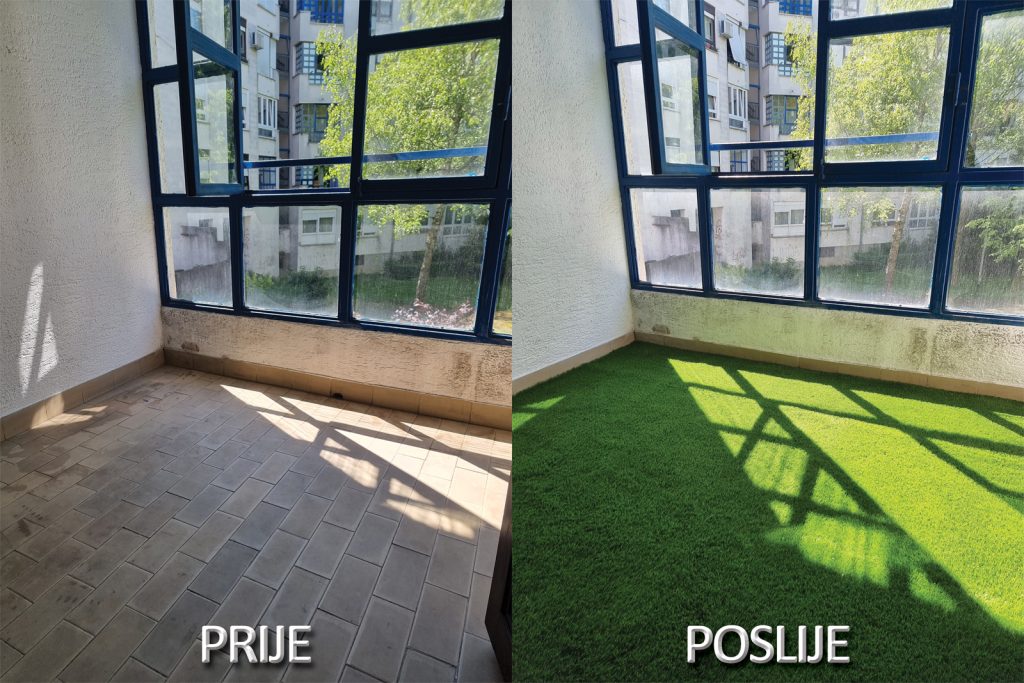
When deciding between natural and artificial grass for business purposes—whether for sports fields, public spaces, or corporate yards—financial aspects play a crucial role. While the initial costs of artificial grass may be higher, long-term savings on maintenance, durability, and functionality make this option increasingly appealing. In this blog, we analyze the costs and benefits of both options and offer practical advice for those weighing the choice between artificial and natural grass.
Natural vs. Artificial Grass: a cost overview
- Initial installation costs
- Natural Grass: Includes expenses for planting, soil preparation, irrigation systems, and fertilization. The initial cost is often lower compared to artificial grass.
- Artificial Grass: Initially more expensive due to material and professional installation costs. However, this investment is often offset over the years through reduced maintenance costs.
- Maintenance costs
- Natural Grass:
- Regular Maintenance: Mowing, watering, fertilizing, and pest control significantly increase annual expenses.
- Irrigation System: Water usage for irrigation can add up, especially during dry seasons.
- Repairs and Replacement: Wear and tear, along with seasonal changes, require occasional repairs or reseeding.
- Artificial grass:
- Minimal Maintenance: No need for mowing, watering, or fertilizing. Cleaning and occasional infill replenishment are the only major costs.
- Durability: High-quality artificial grass lasts 8–15 years, depending on usage and maintenance, reducing the need for frequent replacements.
- Total costs over 10 years
- Natural Grass: Average annual maintenance costs can range from €10–15/m², amounting to €100–150/m² over 10 years.
- Artificial Grass: Initial costs may range from €20–40/m², with annual maintenance around €2–5/m², totaling €40–90/m² over 10 years.
Advantages of artificial grass for businesses
- Financial Savings: Business users can save up to 50% on total maintenance costs compared to natural grass.
- Reduced Water Usage: Artificial grass eliminates the need for irrigation, which is particularly significant in regions with high water costs.
- Consistent Appearance: Artificial grass remains tidy and green regardless of weather conditions or seasons.
- Lower Risk of Damage: Ideal for high-traffic areas such as sports events, corporate gatherings, or busy spaces, with no concerns about muddy or damaged surfaces.
Tips for businesses deciding between the two
Analyze the Purpose of the Space. For spaces used for intensive activities (sports fields, public areas with heavy traffic), artificial grass offers greater durability. For aesthetic spaces where a natural look is a priority, natural grass might be a better choice, but with higher associated costs.
Assess Maintenance Costs. Develop a long-term budget. Consider water expenses, labor, and resources required for natural grass upkeep. Include potential repair or replacement costs for both options.
Consider Environmental Factors. In regions with frequent droughts, artificial grass may be a more eco-friendly choice due to the elimination of water usage. Natural grass has its benefits, such as CO₂ absorption and supporting biodiversity, but these factors are often less critical for business spaces.
Seek Professional Advice and consult experts who can assess your specific needs and offer tailored solutions. A combination of artificial and natural grass in different areas may provide optimal functionality and aesthetics.
If you need expert guidance, we’re here to help. Our contact form is always available for your inquiries, as is our email. Don’t hesitate to reach out!