

In recent years, padel has become one of the fastest-growing sports in Europe, including Croatia. It is a sport that combines elements of tennis and squash, and thanks to its dynamic nature, simple rules, and fun gameplay, it attracts recreational players of all ages. For this reason, the demand for building padel courts is rapidly increasing — both in the private and public sectors.
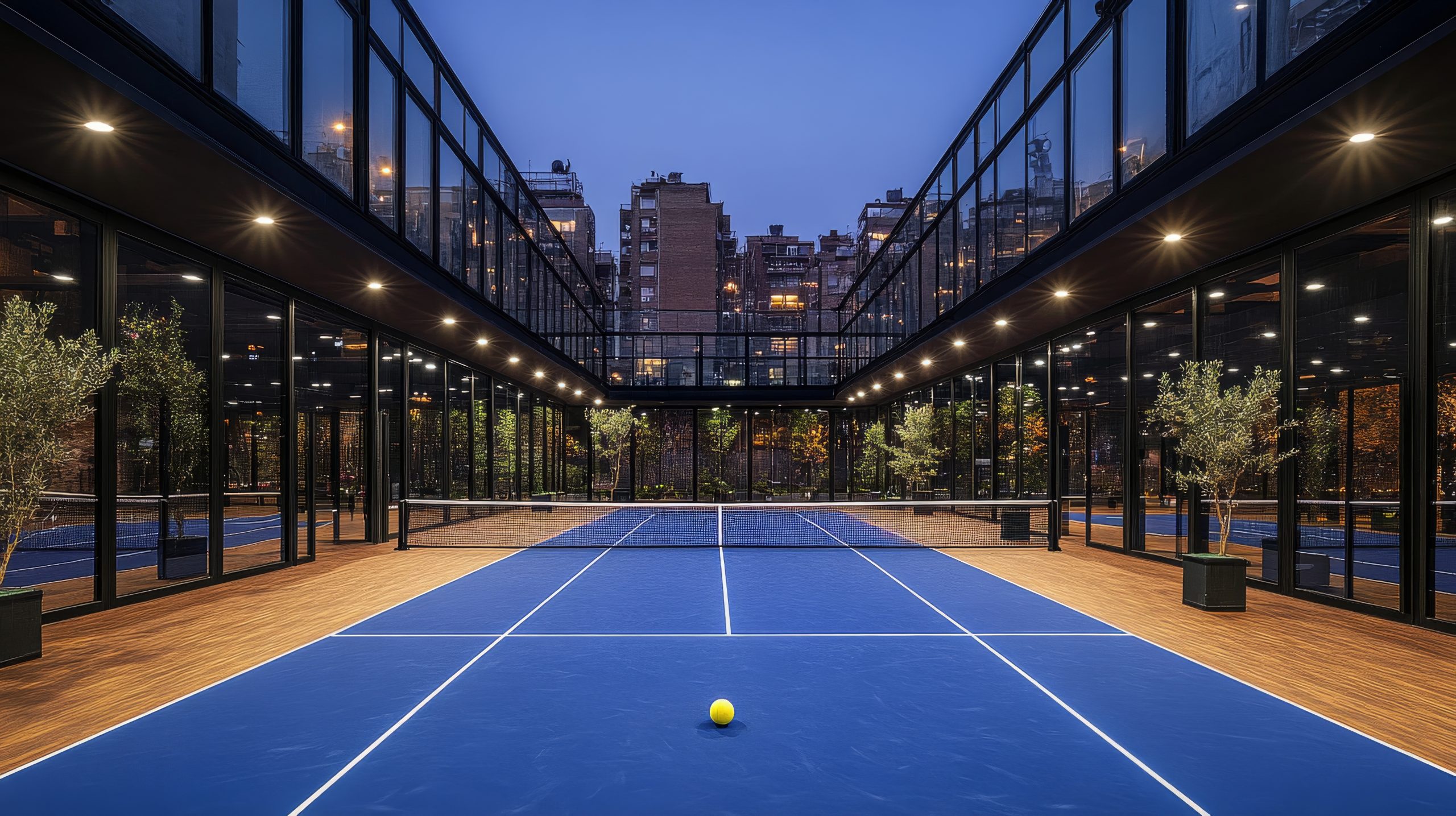
In this guide, we present 5 key tips every investor should know before building and maintaining padel courts, whether the project involves a sports center, tourist facility, local municipality, schools, or private investment.
- Understand Where Padel Courts Are Most Commonly Built and Who They Are Intended For
Padel courts today are most often built in:
- sports centers and recreational zones
- tourist facilities (hotels, camps, resorts)
- private commercial centers (fitness centers, indoor halls, private clubs)
- school and municipal sports complexes
- private properties or residences
Because of its popularity, padel appeals to a wide range of investors:
Private investors (want to expand their sports offering, recognize the fast return on investment due to strong demand, and are interested in modern recreational facilities)
Public investors (want to enrich sports infrastructure, develop local sports communities, and introduce trendy activities for youth)
Regardless of the investor type, padel offers relatively low operating costs, often better utilization than tennis, and fast profitability in commercial projects.
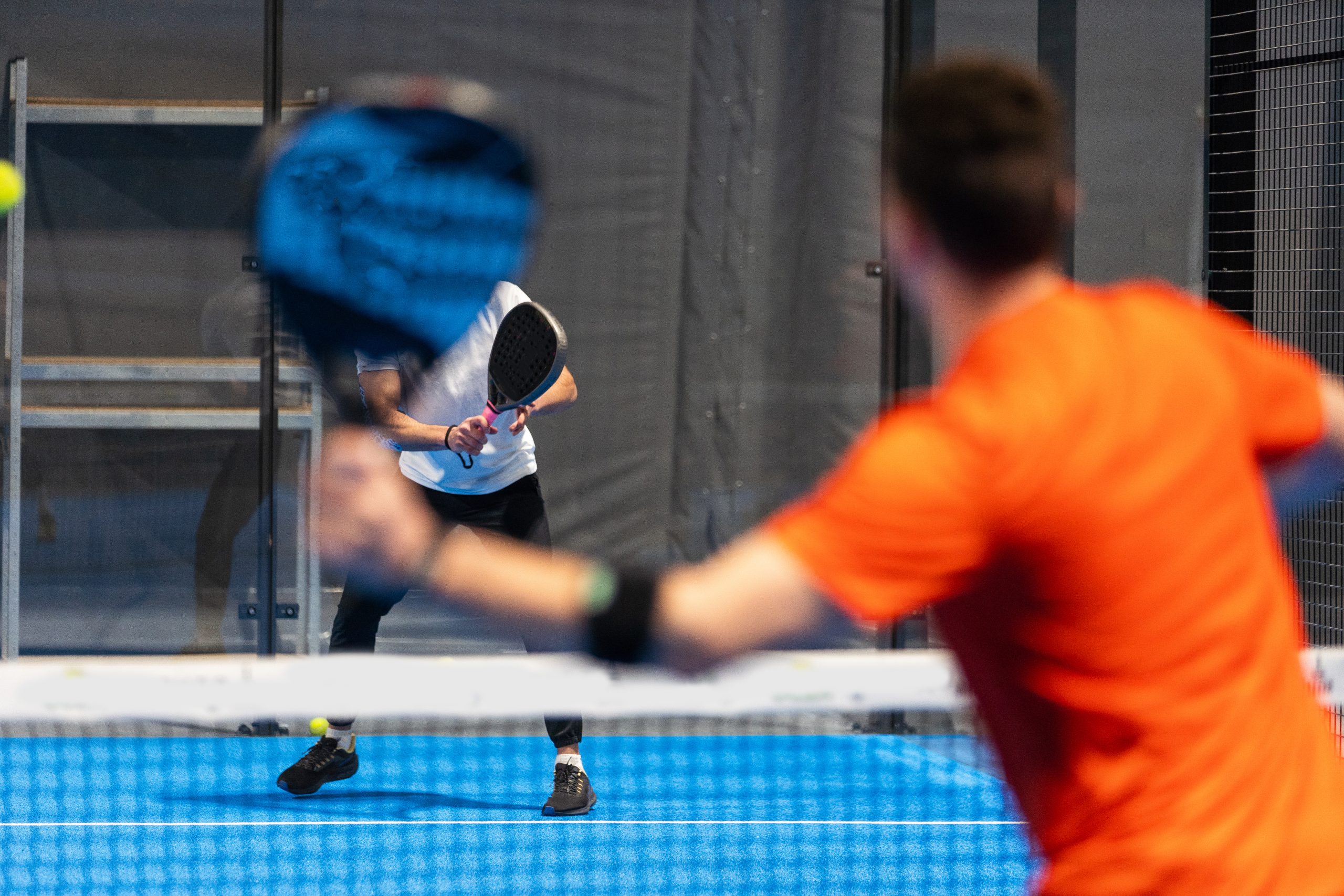
- Choose the Right Location and Prepare the Base Properly
The success of any padel project starts with a well-prepared base. Padel can be built both indoors and outdoors, but each space must meet strict technical requirements:
What needs to be checked?
- flatness and load-bearing capacity of the base
- drainage for outdoor courts – crucial for preventing water accumulation
- sufficient space around the court for player movement and safety
- wind protection for outdoor courts (windbreak nets or natural barriers)
Best base surfaces include:
high load-bearing concrete slabs (ideal for long-term structural stability), asphalt that can be additionally leveled and prepared, or high-quality mechanized base layers with proper slope and drainage.
Proper surface preparation is essential for the durability and safety of the court.
- Choose the Right Sports Surface: Artificial Turf Is the Standard
Padel almost exclusively uses a specific type of artificial turf.
Characteristics of quality padel turf:
- specific fiber height (usually 10–15 mm)
- quartz sand infill
- resistance to intensive use
- UV stabilization for outdoor courts
- anti-slip properties
Colors may vary (blue, green, red), but all professional installations use padel-certified turf.
Artificial turf ensures consistent ball bounce, optimal player movement, and long lifespan with minimal maintenance.
- Plan Maintenance: Small Investments That Extend Court Lifespan
Although padel courts require less maintenance than many other sports surfaces, complete neglect leads to faster wear of the turf and court structure.
Recommended maintenance routines:
- regular leveling and redistribution of sand (prevents fiber deterioration)
- surface cleaning – leaves, dust, and debris negatively affect play
- inspection of glass walls and metal structure for safety
- checking net and line tension
- annual inspection by a professional service technician
For commercial centers, proper maintenance significantly reduces repair costs and extends the court’s lifespan.
- Invest Smart – Building a Padel Court Can Be Highly Profitable
Why are investors increasingly choosing padel?
- the sport is rapidly expanding in Croatia and the region
- ideal for recreational players of all ages
- requires less space than tennis
- easy to learn, attracting a broad audience
- courts allow high utilization and quick return on investment
- the investment can be easily paired with additional services (racket rental, tournaments, cafés, extra activities)
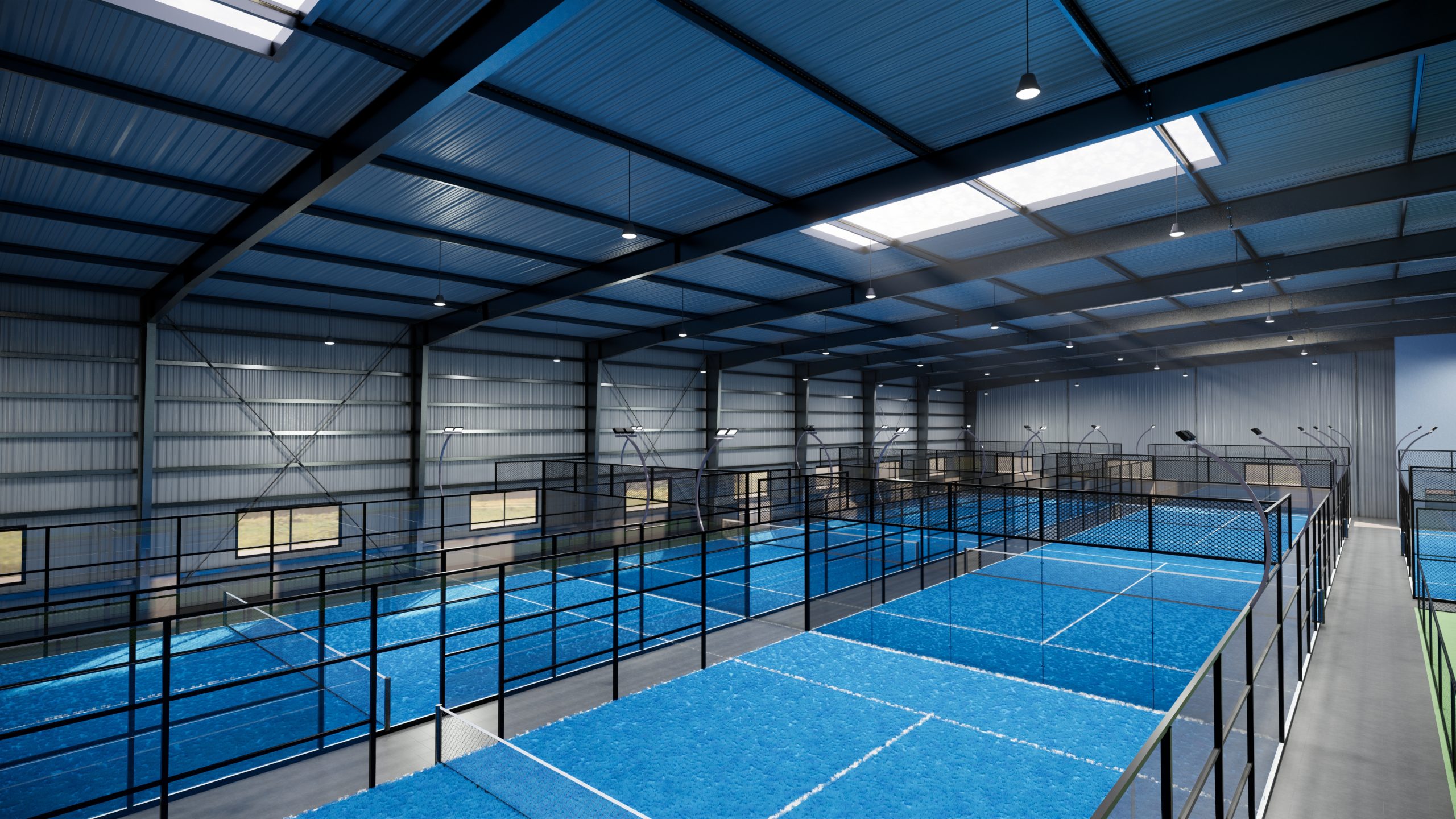
In tourist facilities, padel increases the attractiveness of the offering, while sports centers use it to attract new audiences and increase visit frequency.
For local communities, padel promotes social interaction, recreation, and youth activity.
Padel is a growing sport, and a well-built court can provide long-term value for both public and private investors. The key to success lies in choosing a skilled contractor, properly preparing the base, selecting certified sports surfaces, and ensuring regular maintenance.
If you are considering building a padel court or need advice regarding the base, structure, or maintenance, our Lumeg team of experienced experts can assist you through all project stages, from planning to execution.